Blog


Pyeongyang Naengmyeon is made of only one wish.Seogwanmyeonog is born with our style and the mindset towards customers.
 How to Enjoy
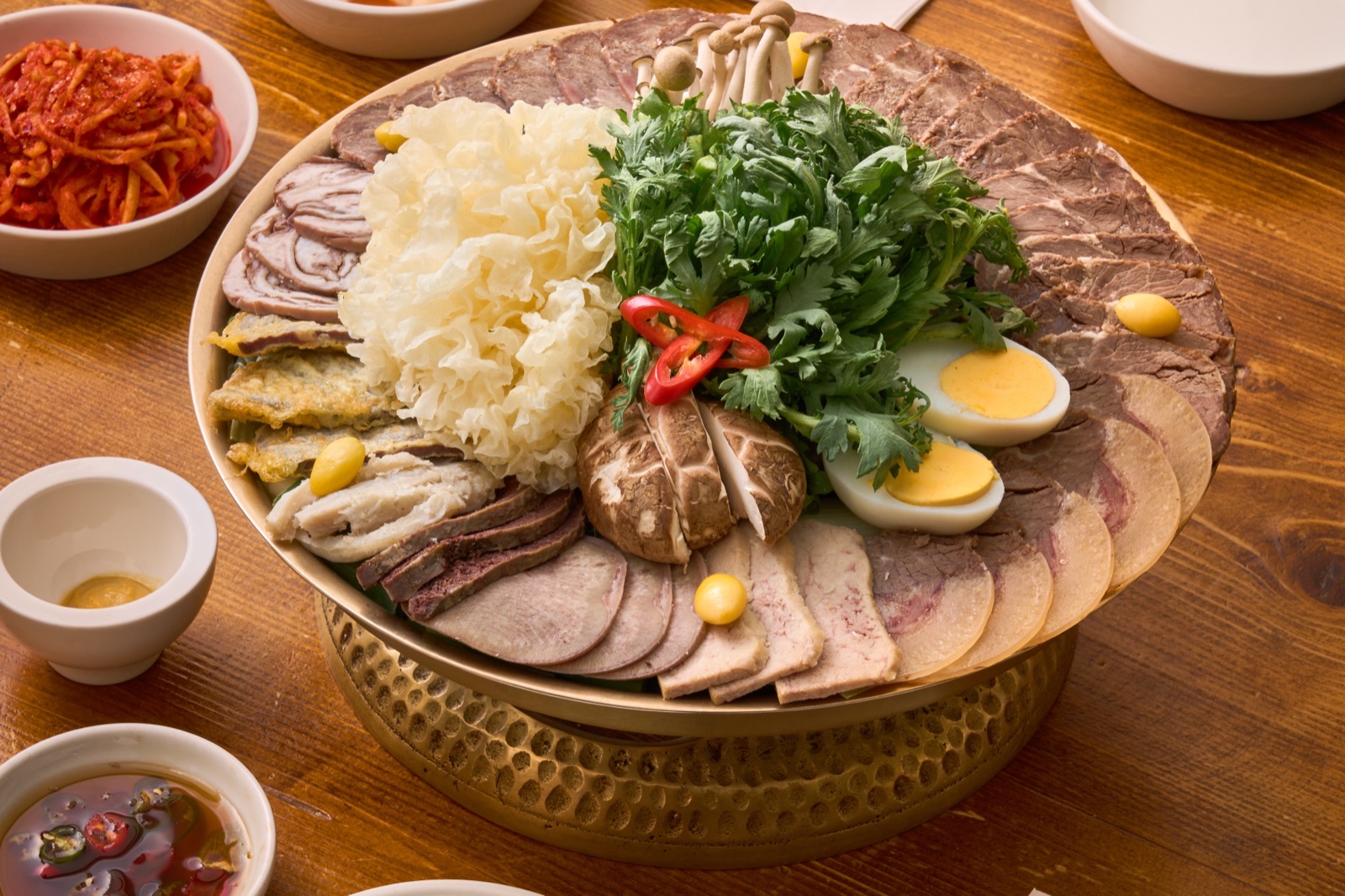
Eobokjaengban is a Pyeongyang dish of Hanwoo (Korean beef) cuts, mushrooms and vegetables on a wide brass tray, simmered in broth at your table. Rather than boiling the tender meat for long, you lift out meat and vegetables as the broth rises, then finish with the broth itself.
 How to Enjoy
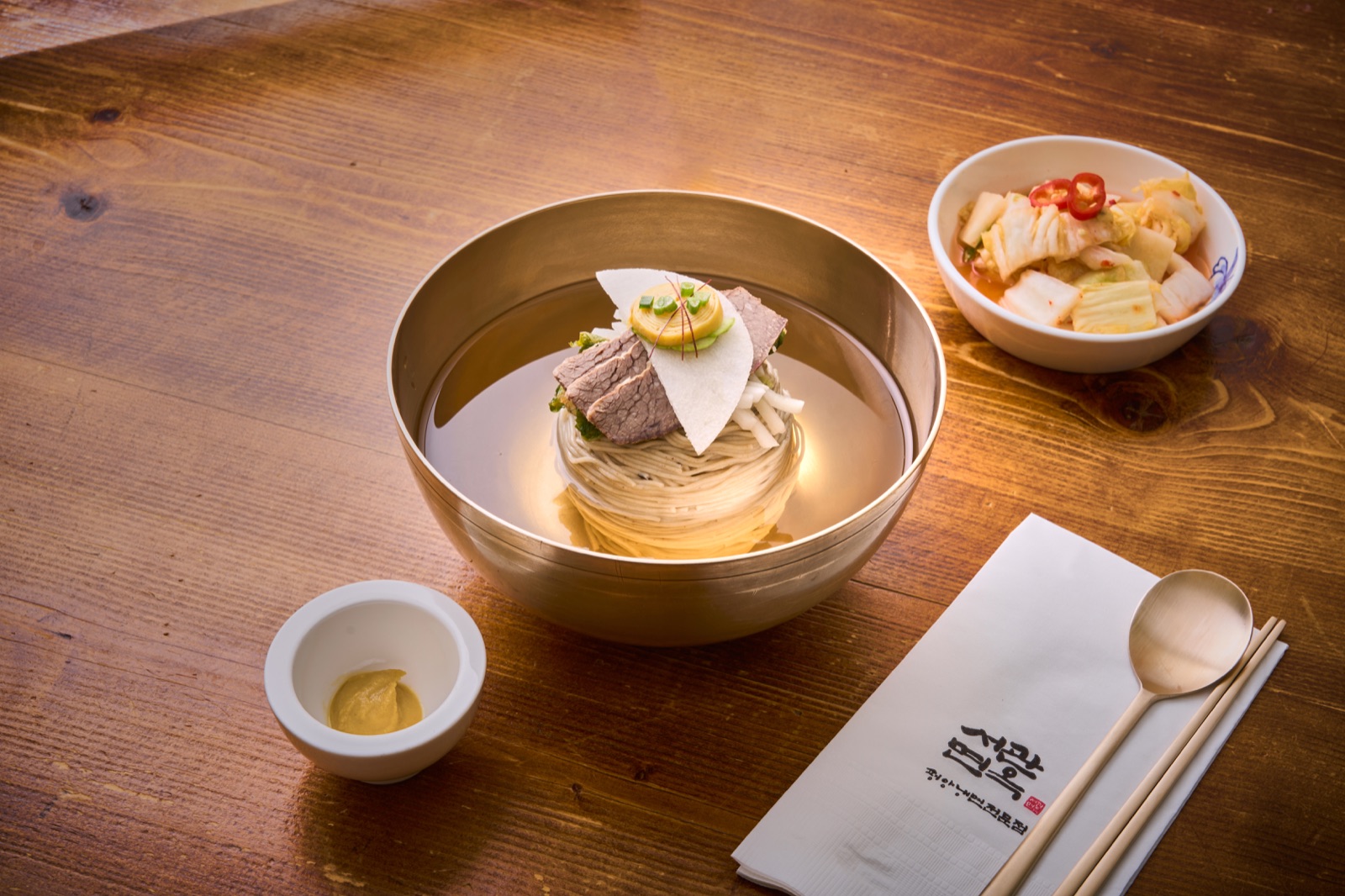
Pyeongyang Naengmyeon is buckwheat noodles in a clear Hanwoo (Korean beef) broth, and a first bowl raises the question of where to begin. There is no set method, but on a first visit we suggest tasting the broth and the buckwheat as they are, then adding vinegar and mustard.
 How to Enjoy
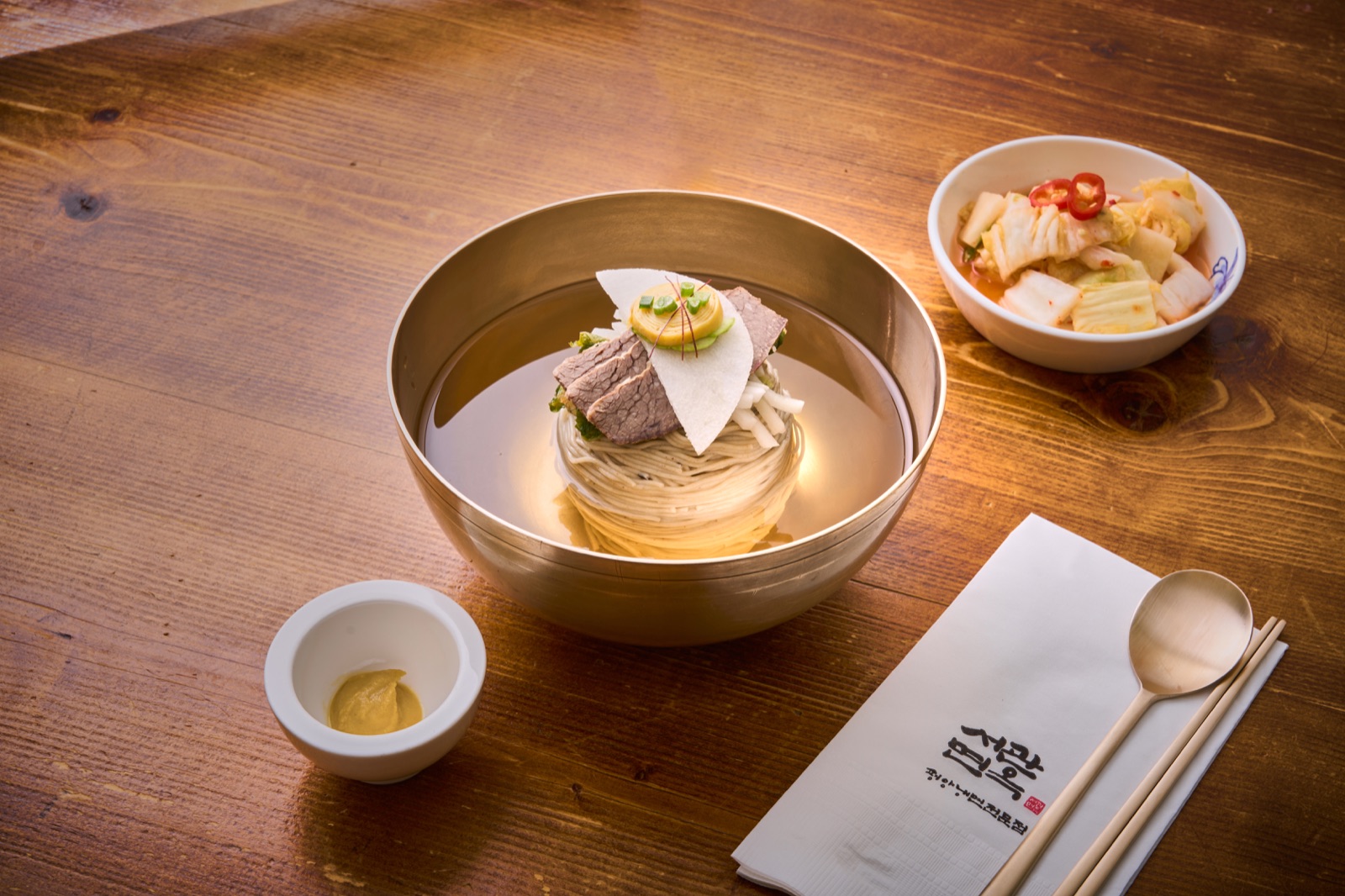
To begin with the conclusion, there is no single set way to enjoy Pyeongyang Naengmyeon. One question that comes up often is whether vinegar and mustard belong in the bowl, and whether adding them takes away the flavor the broth and the noodles already have.
 How to Enjoy
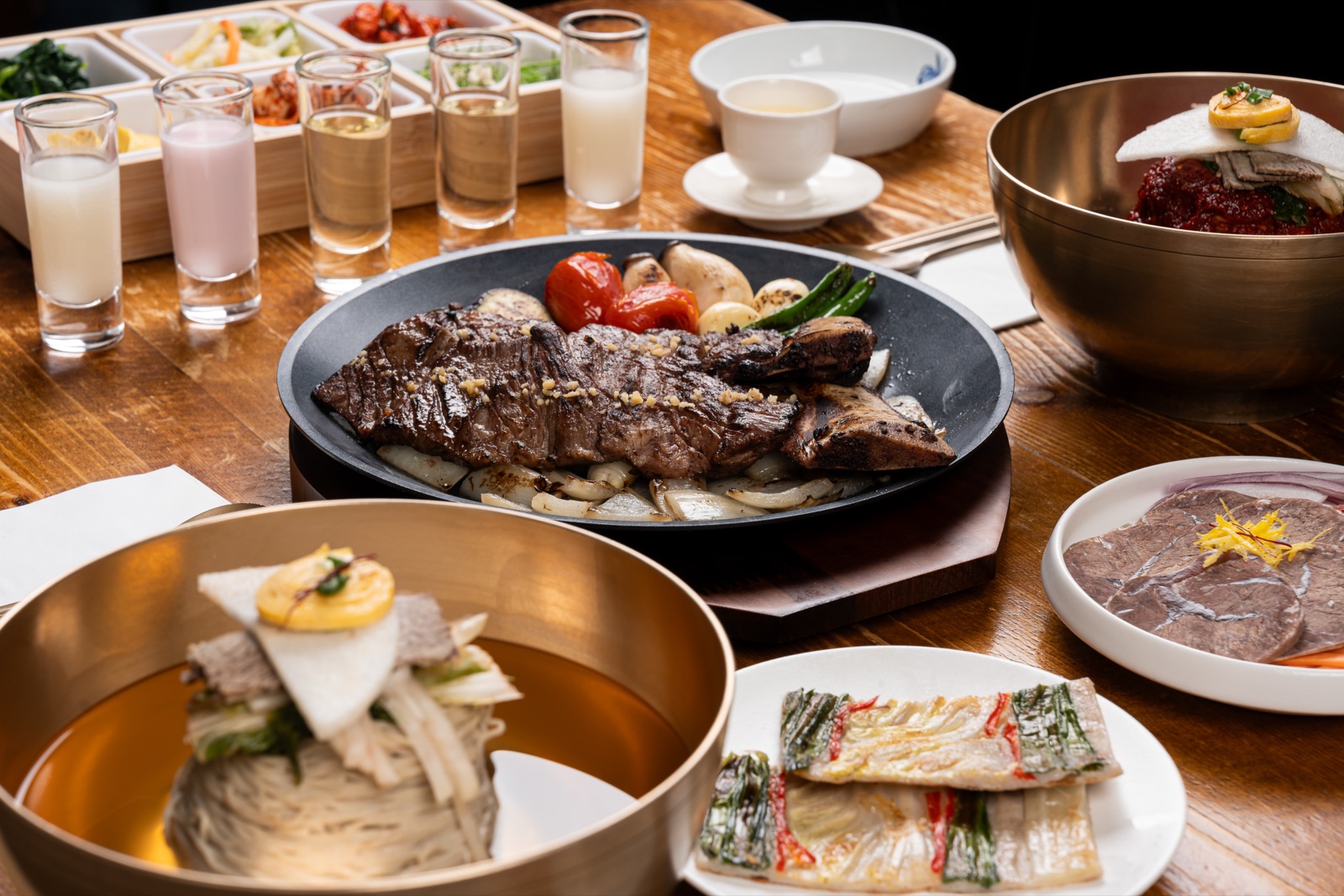
Seonju Humyeon means a drink first, then noodles to close the meal. Jeong Yak-yong, a scholar of the late Joseon period, wrote of the food culture of the Pyeongan region and left a scene of drink and dishes first and noodles last. We follow the flow of a meal held in that record.
 How to Enjoy
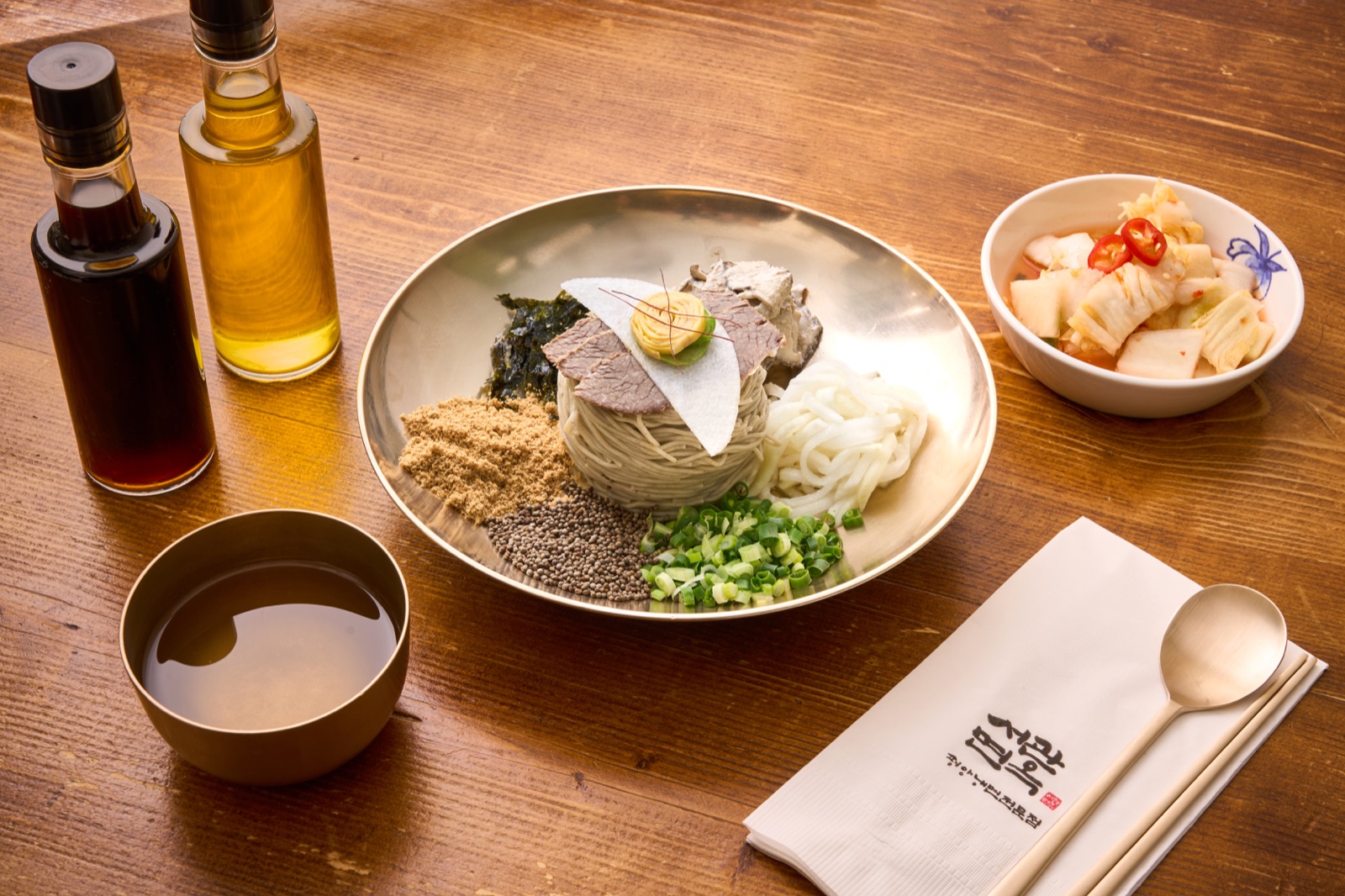
Goldong Naengmyeon is Seogwanmyeonog's mixed naengmyeon, buckwheat noodles topped with mushrooms and whole perilla seeds and tossed with cold-pressed perilla oil and soy sauce. In place of a red, spicy sauce, the nutty aroma of perilla oil carries the bowl, so the buckwheat still comes through.
 How to Enjoy
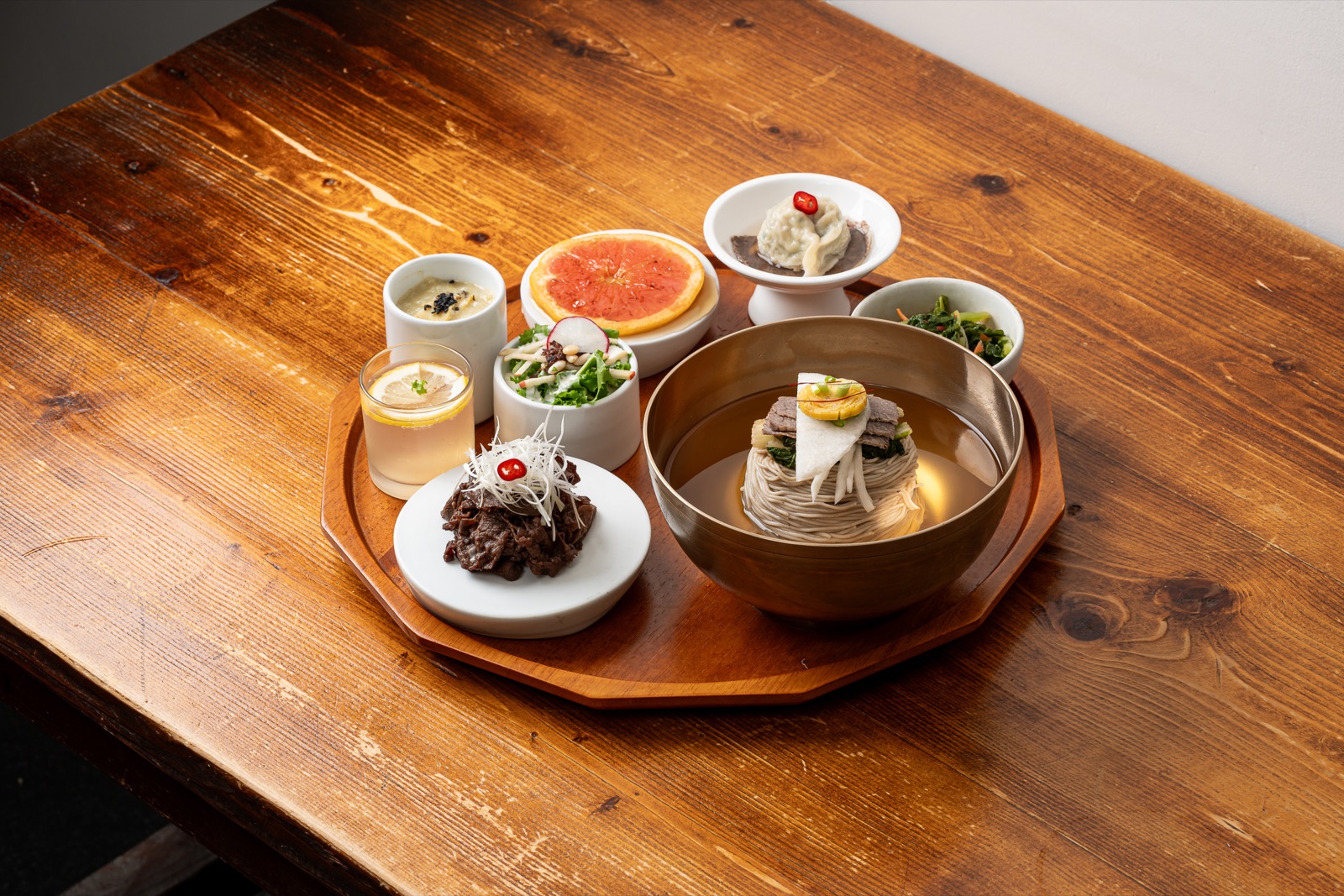
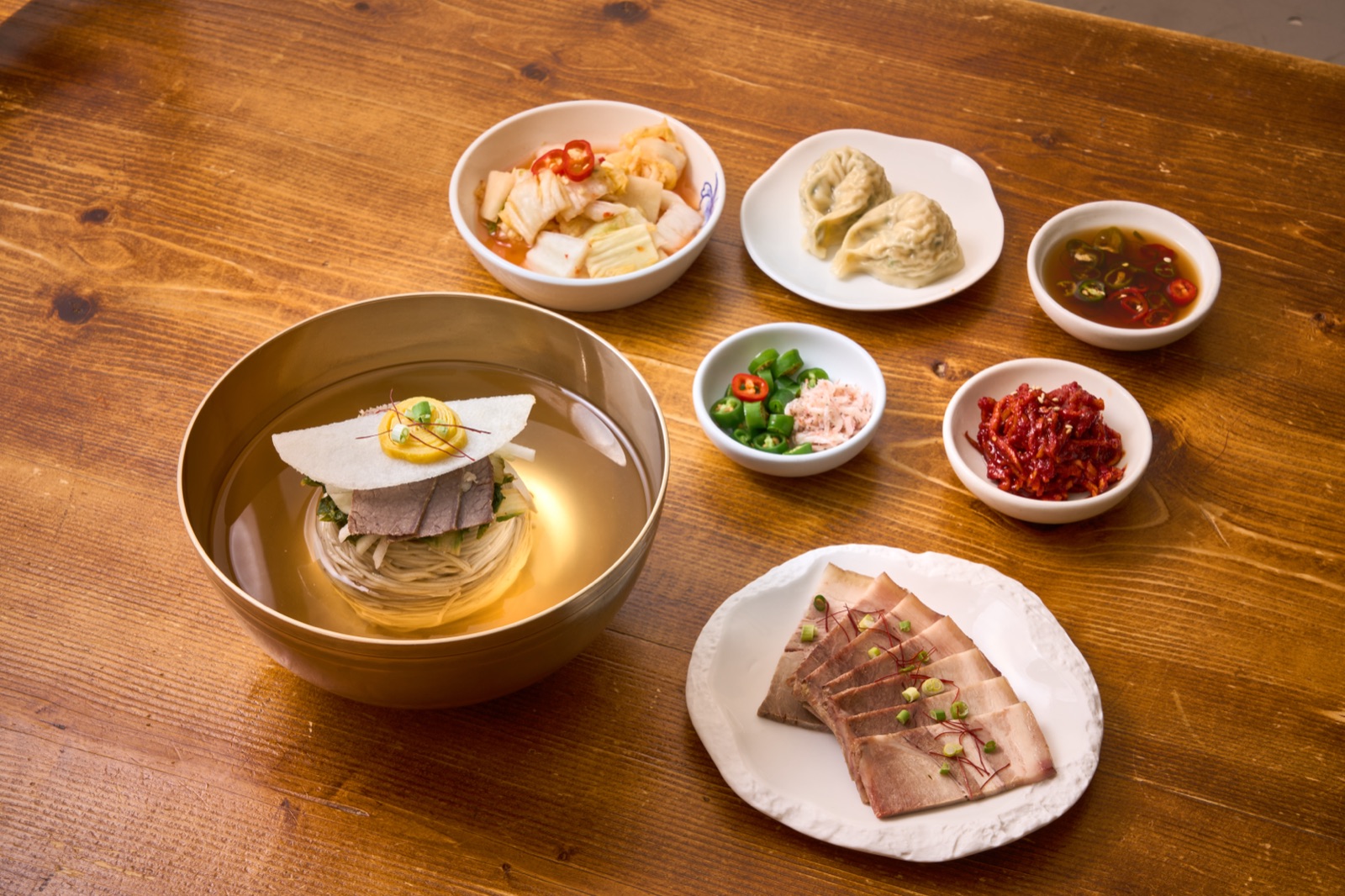
Seogwan Myeonsang is Seogwanmyeonog's full table setting, a reading of the Joseon era myeonsang, a table set around noodles, in the dining of today. Rather than stopping at one bowl of naengmyeon, it brings meat and pancake, vegetables and kimchi and a dessert to a single table.
 How to Enjoy
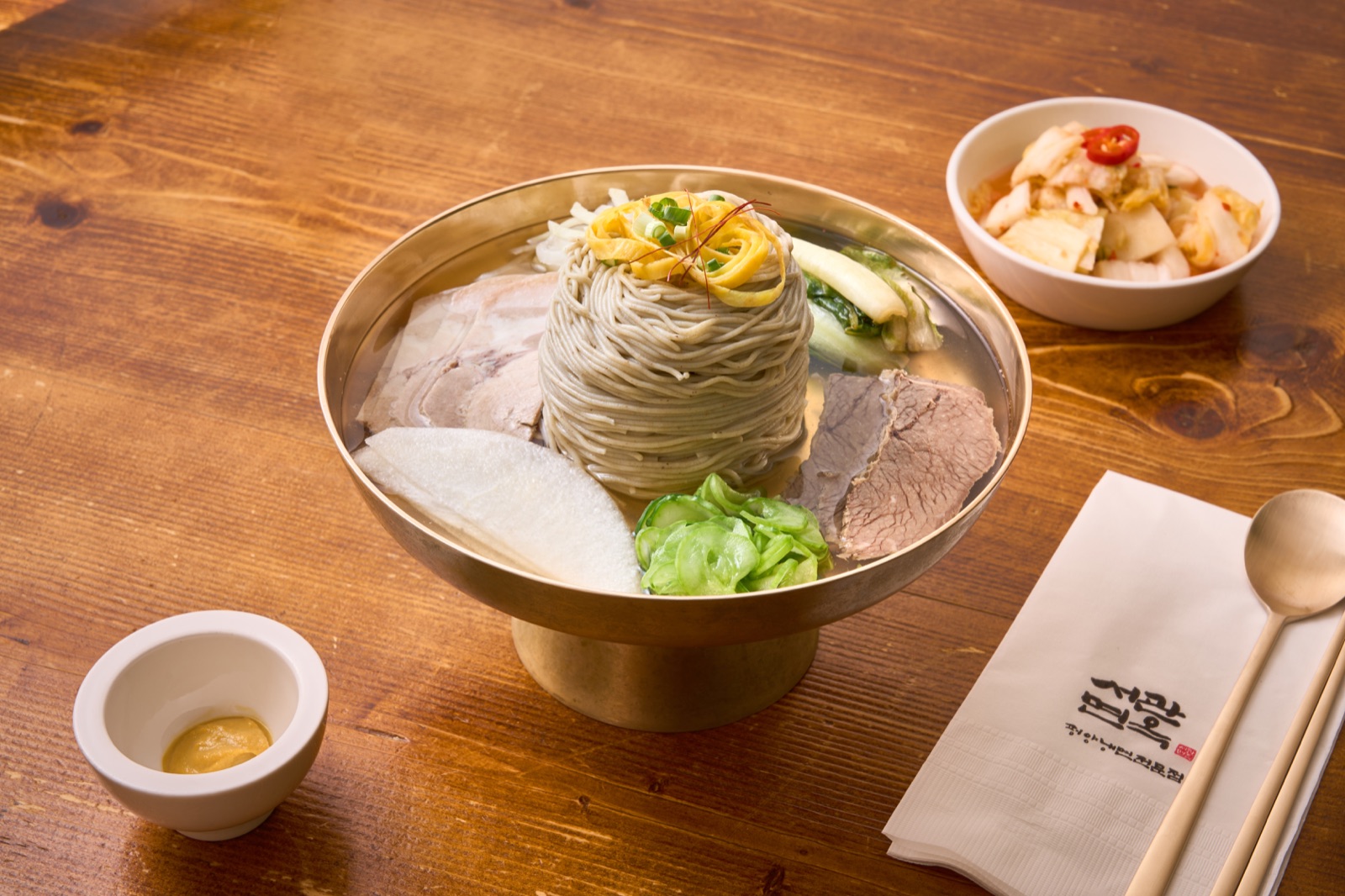
Matbagi Naengmyeon is Seogwanmyeonog's Pyeongyang Naengmyeon served with a generous layer of Hanwoo (Korean beef) and pork. The noodles, milled and made the same day from 100% Jeju buckwheat, and the deep Hanwoo broth stay the same, while the meat shifts the taste and texture of the bowl.
 How to Enjoy
A bowl of Pyeongyang Naengmyeon is enough on its own, but Seogwanmyeonog also has dishes made for sharing beside it, from Hanwoo (Korean beef) Suyuk to Hanwoo Yukhoe, Dotjeyuk, Chilled Suyuk with Vinegar Dressing, mandu and a seasonal pancake. Add one or two, then close with naengmyeon.
 Our Story
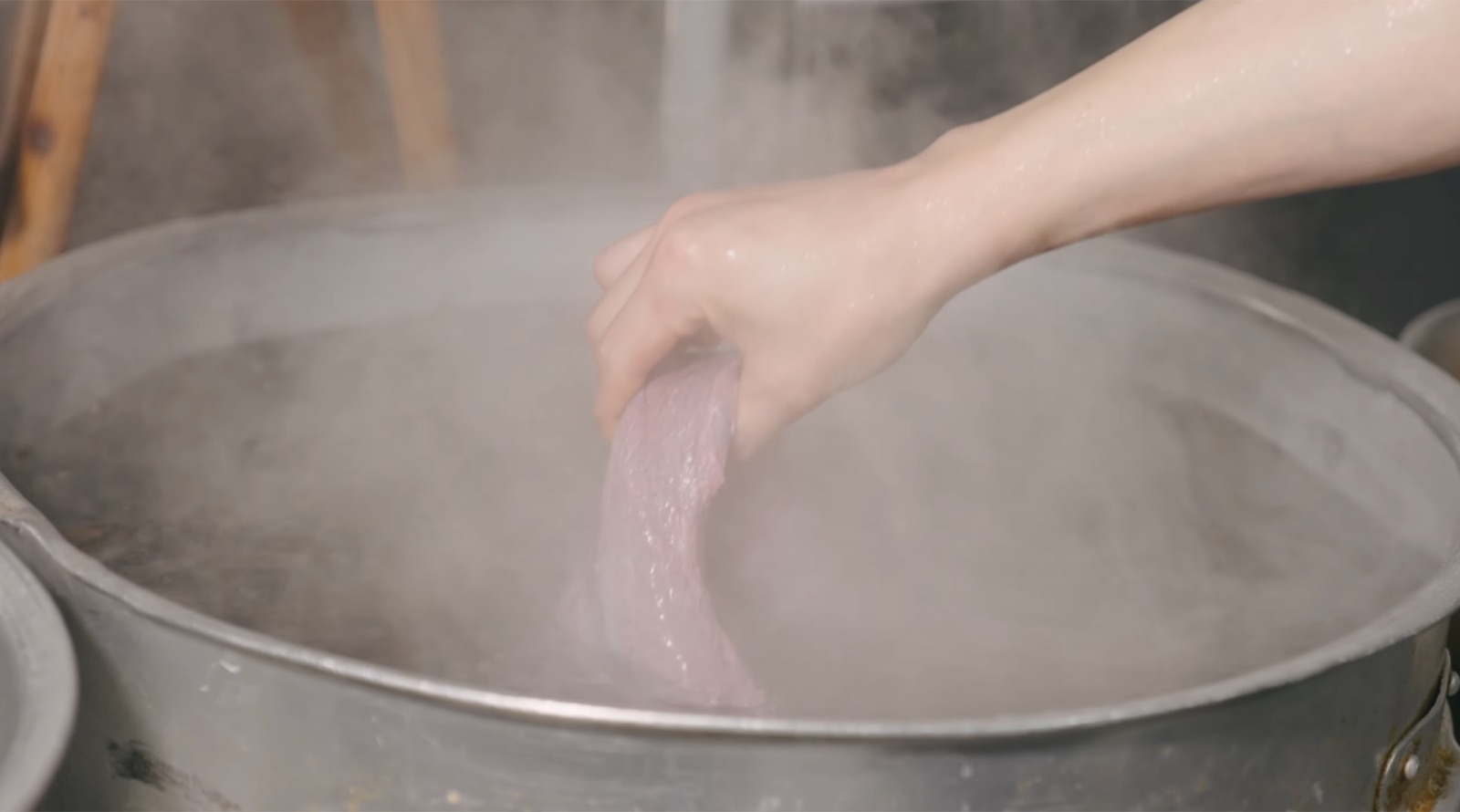
Two things decide the taste of Pyeongyang Naengmyeon, the buckwheat noodles and the broth. We mill and cut 100% Jeju buckwheat the same day, then add a clear broth drawn from Hanwoo (Korean beef). Rather than strong seasoning, we look for the beef aroma and the scent of the buckwheat to meet.
 Our Story
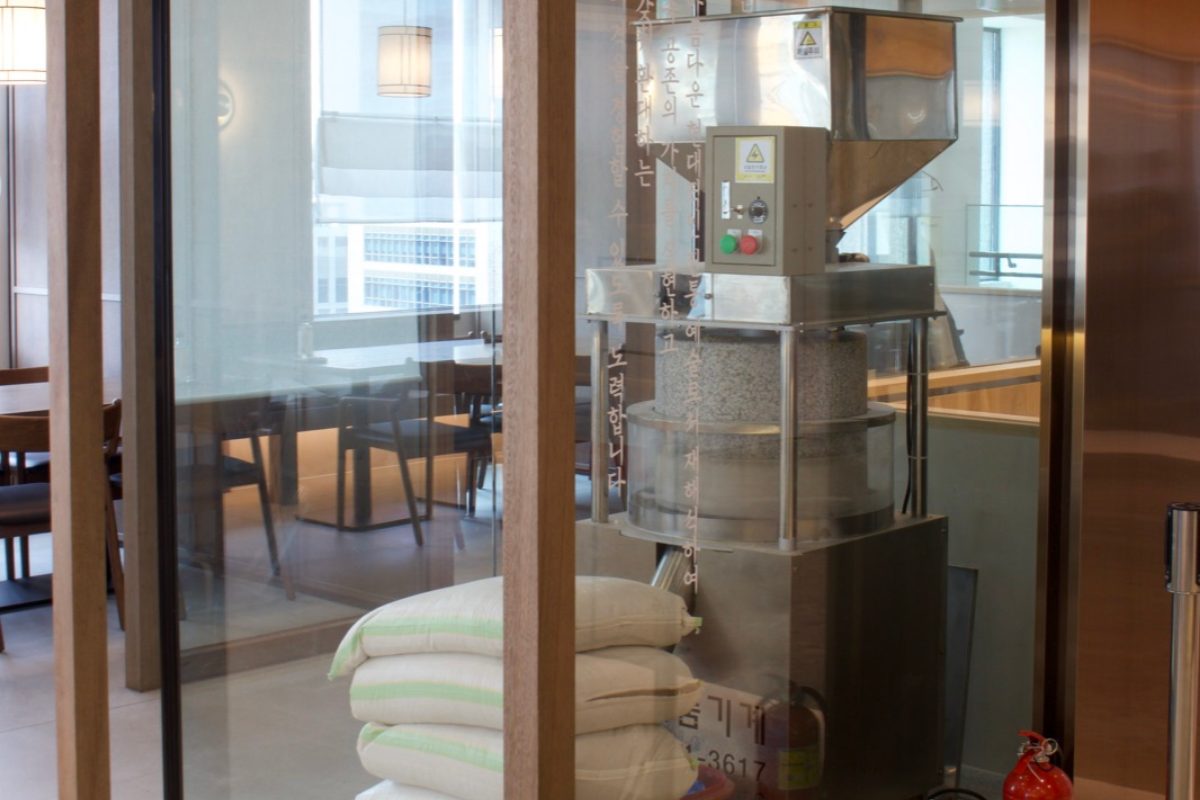
The day of Pyeongyang Naengmyeon at Seogwanmyeonog begins with milling buckwheat. Jeju common buckwheat is the base, blended with 5 to 10 percent tartary buckwheat, and each morning we mill on a millstone only as much as that day will use. The flour is drawn into noodles within 3 hours.
 Our Story
Seogwan (西關) is the old name for the Pyeongan region in the Joseon era. It names the region where Pyeongyang Naengmyeon has its roots, and it shows what Seogwanmyeonog means to carry on, the noodle culture of Pyeongan and the way of eating within it, brought into today.
 Our Story
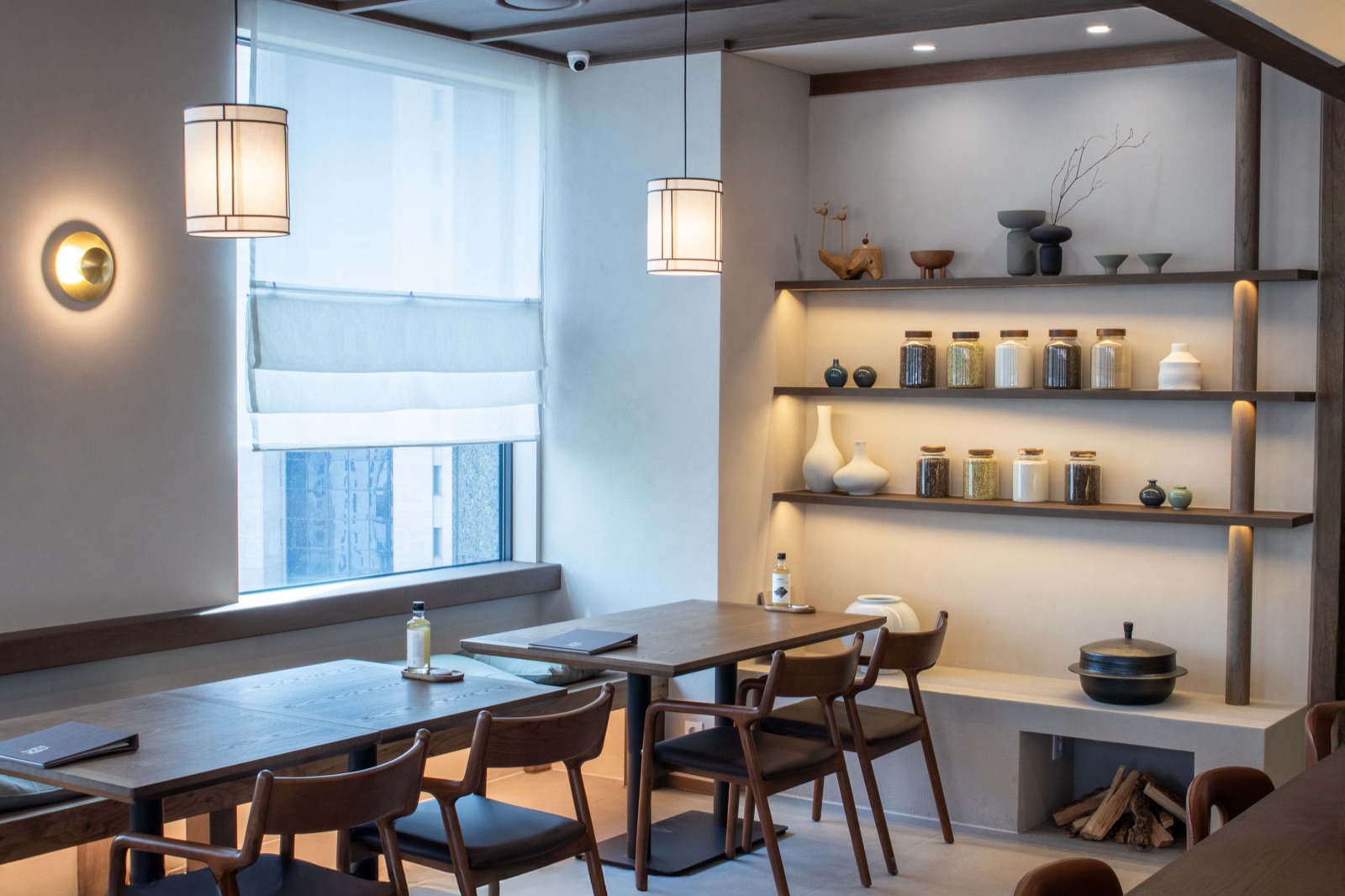
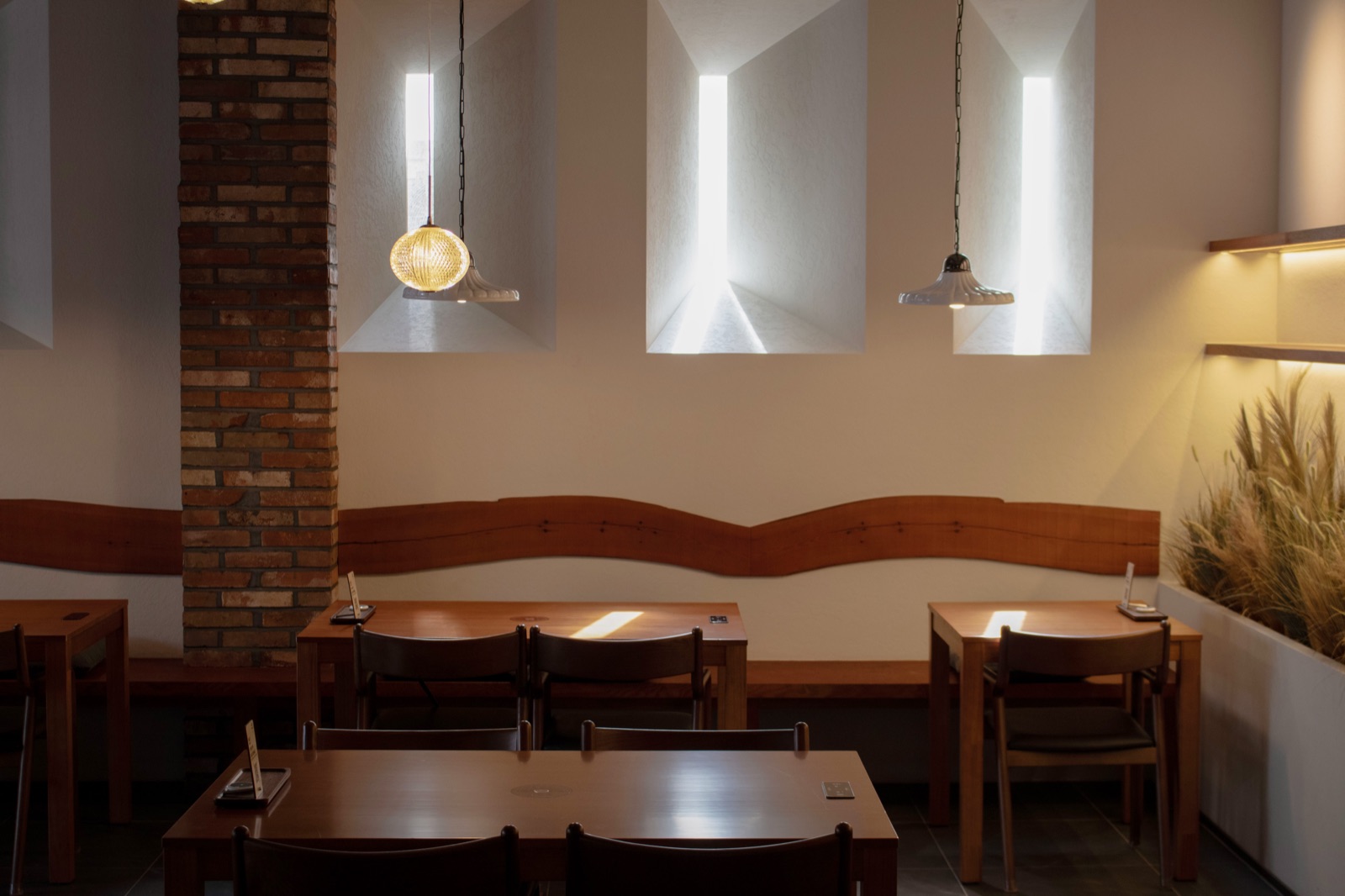
541 Samseong-ro, Gangnam-gu, Seoul. The building that now holds Seogwanmyeonog Samseong Branch was once an Audi service center. The wide, high space where cars were serviced now serves Pyeongyang Naengmyeon and a full table, and it is the roomiest of our four branches.