Blog


Pyeongyang Naengmyeon is made of only one wish.Seogwanmyeonog is born with our style and the mindset towards customers.
 Culture
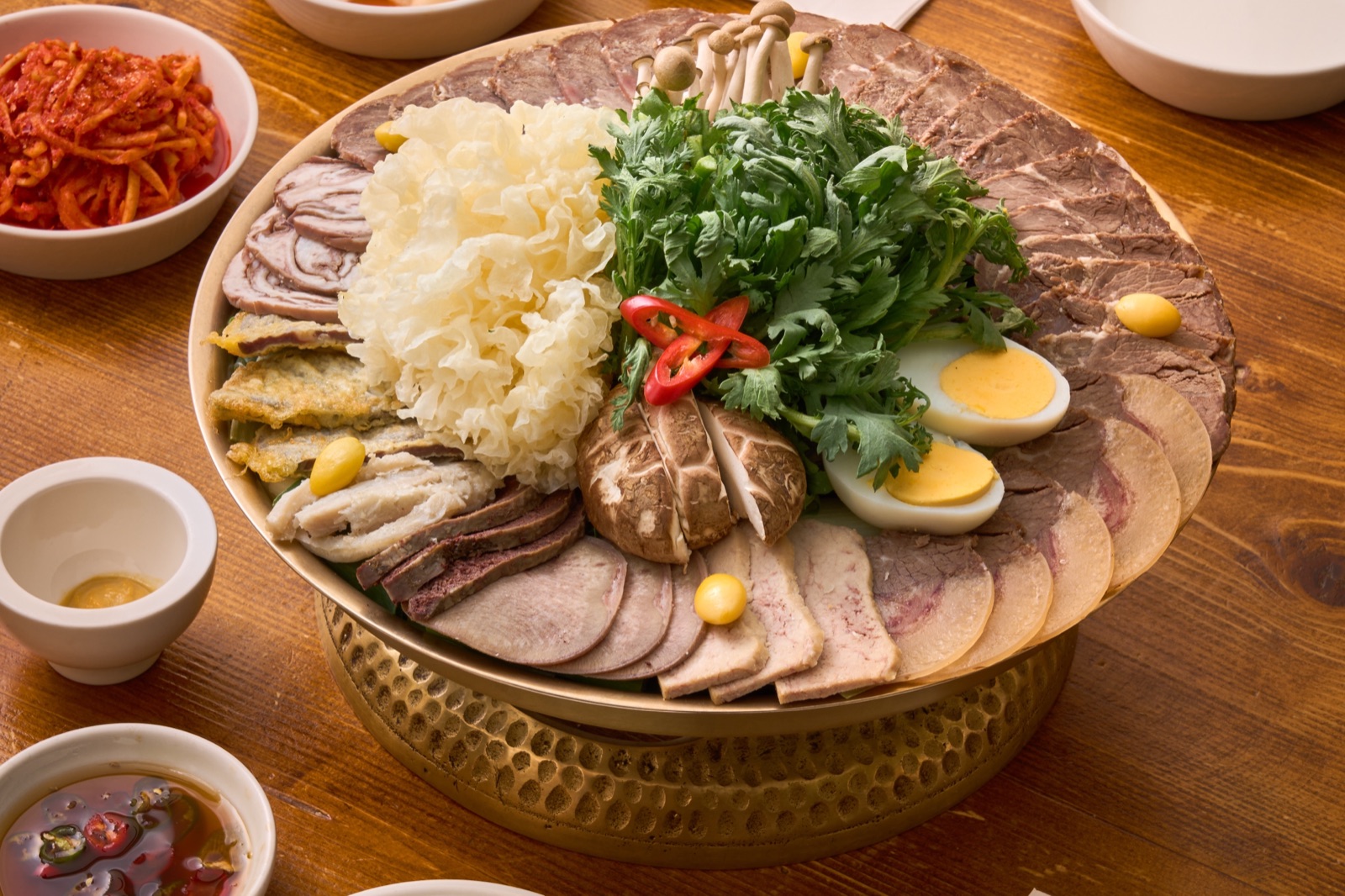
Eobokjaengban is a Pyeongyang dish of beef cuts laid out on a wide tray and simmered in broth, despite a name that sounds as though fish were in it. At Seogwanmyeonog the tray holds Hanwoo (Korean beef) shank, head meat, ox tongue, tripe, udder, large intestine, spleen and pan-fried lung.
 Culture
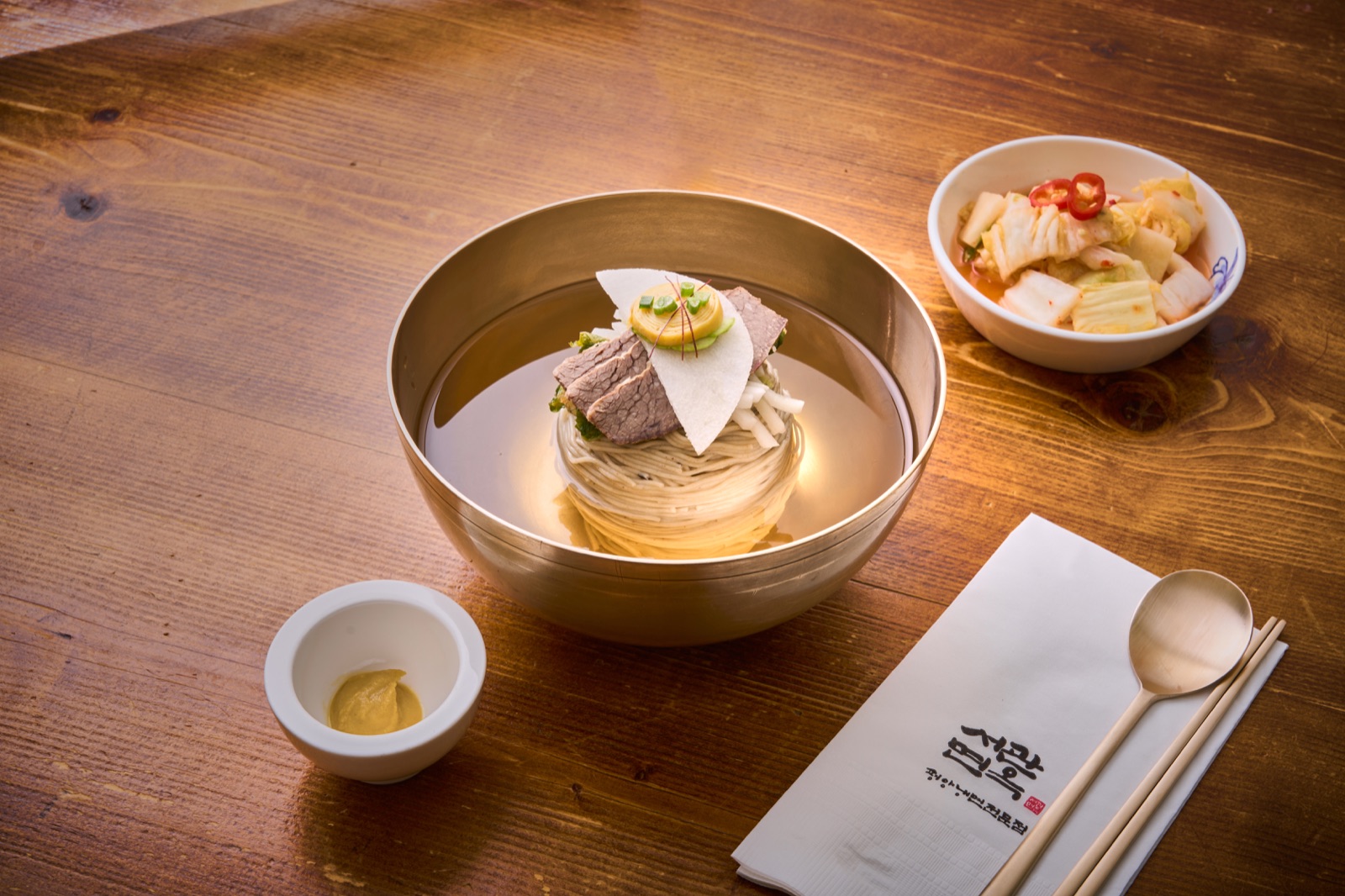
Pyeongyang Naengmyeon is built on buckwheat and cold broth rather than strong seasoning, so it can taste restrained at first. That restraint is not a lack of flavor but a balance, and we hold the broth at every branch to a standard of 1.0% salinity and 12°C.
 Culture
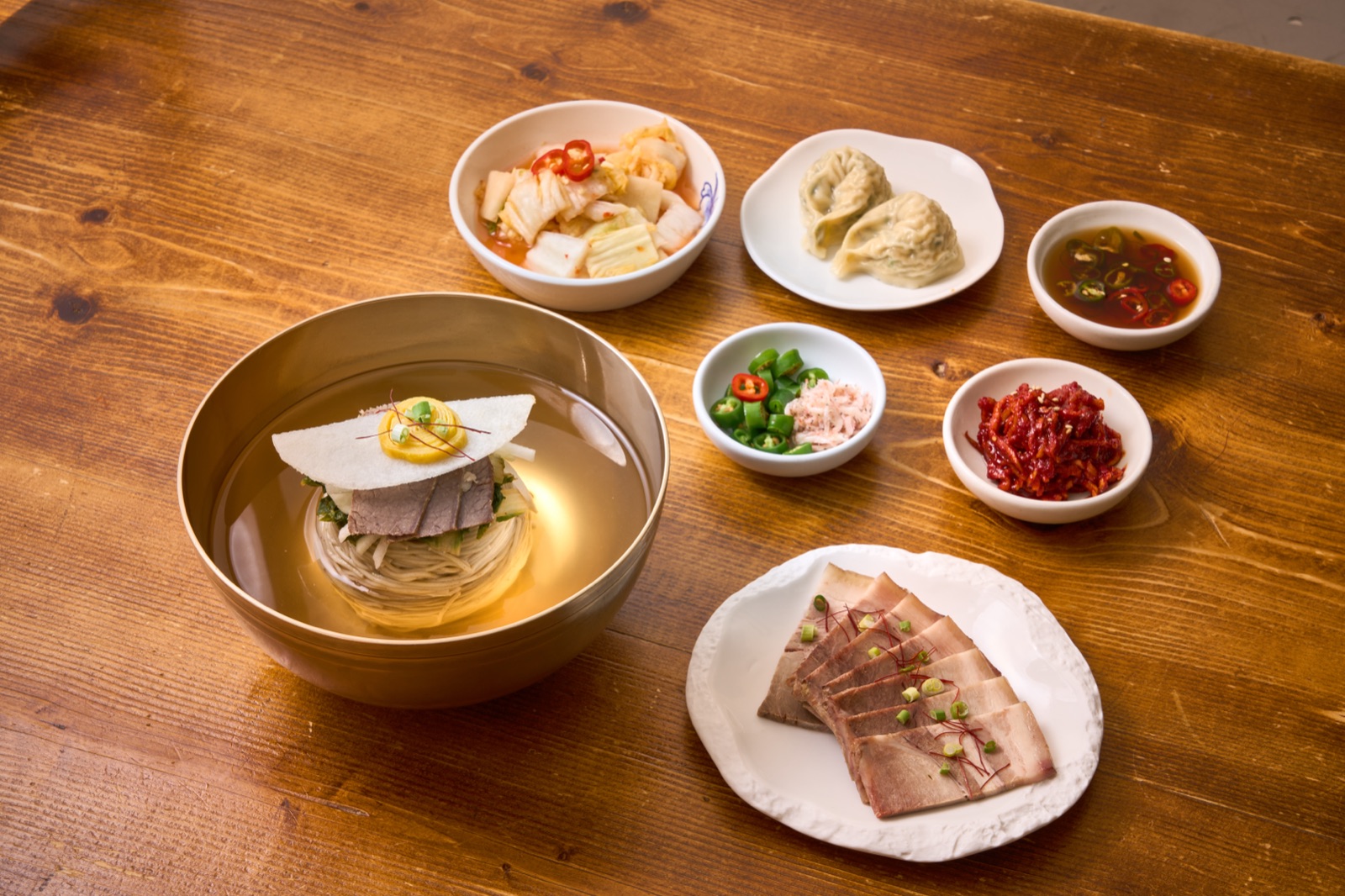
Naengmyeon is the first dish many people think of in hot weather, yet it was originally eaten in the cold of winter. In Dongguksesigi, the record of seasonal customs written by Hong Seok-mo in the late Joseon period, naengmyeon appears as a food of the eleventh lunar month.
 Culture
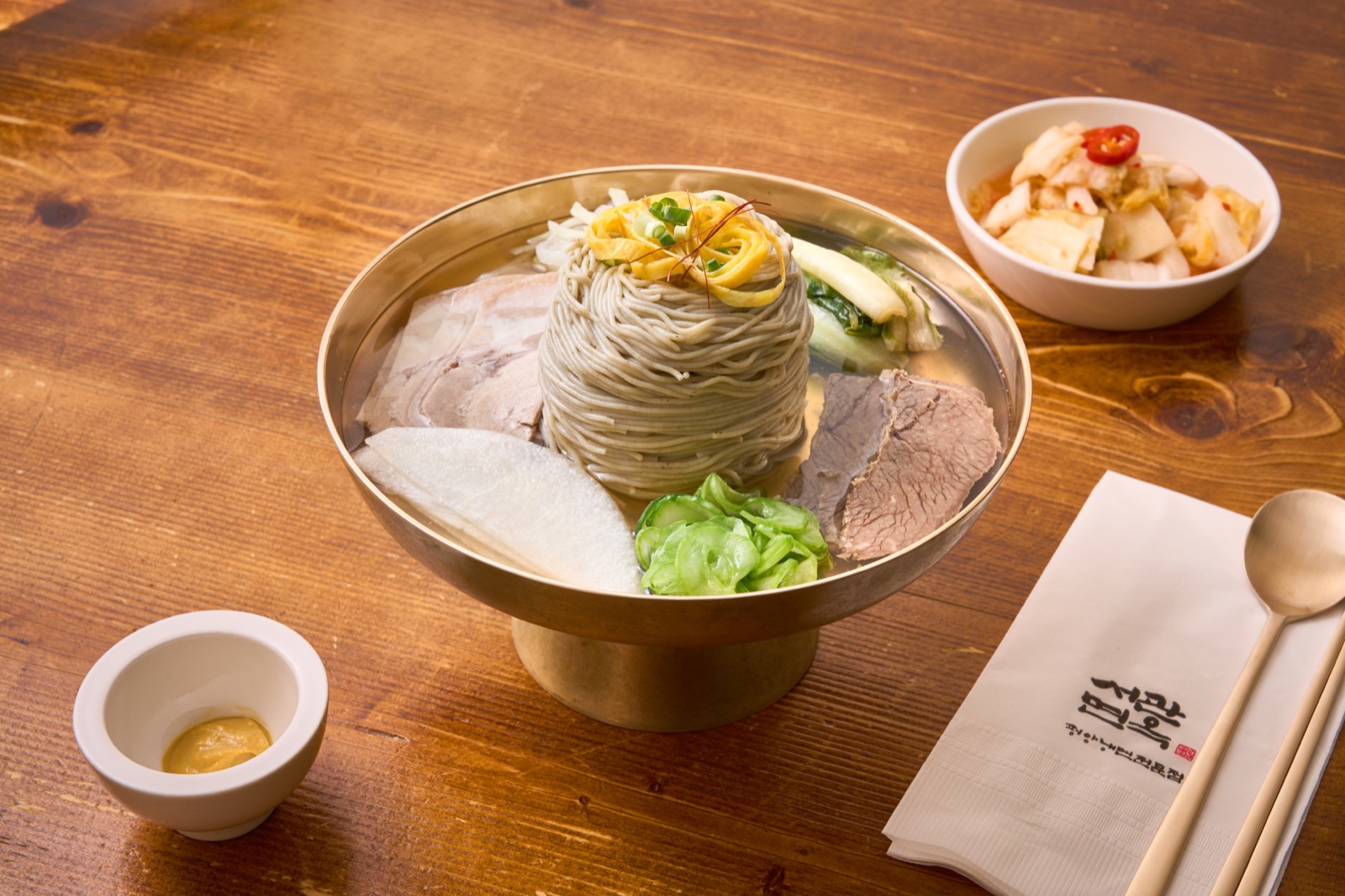
Pyeongyang Naengmyeon and Hamheung Naengmyeon are the two bowls most often compared, and the difference starts with the noodles. Pyeongyang Naengmyeon centers on buckwheat noodles in cold broth, Hamheung Naengmyeon on starch noodles from potato or sweet potato with a spicy dressing.
 Culture
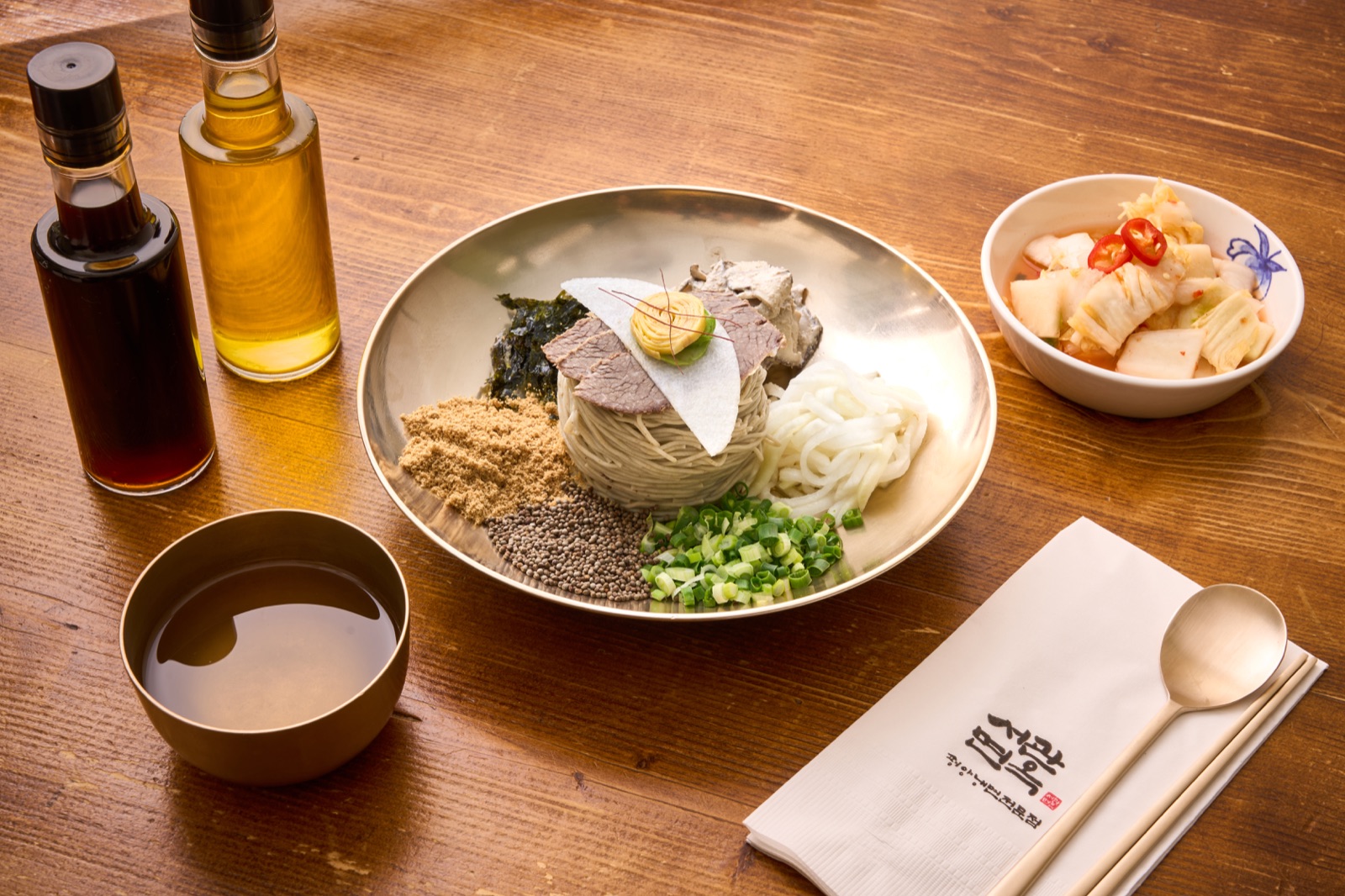
Goldong Naengmyeon is a mixed buckwheat naengmyeon named after an old record. Dongguksesigi, a book of seasonal customs published by Hong Seok-mo in 1849, describes Goldongmyeon, noodles tossed with many ingredients, and we trace our dish to that older noodle culture.
 Culture
Pyeongyang Naengmyeon is usually pictured as a clear, restrained broth with buckwheat noodles and a few garnishes. Older records show more variety than that. Broth, garnish and the way of eating differed by season, by region and by house, and vinegar and mustard were added to taste.
 Culture
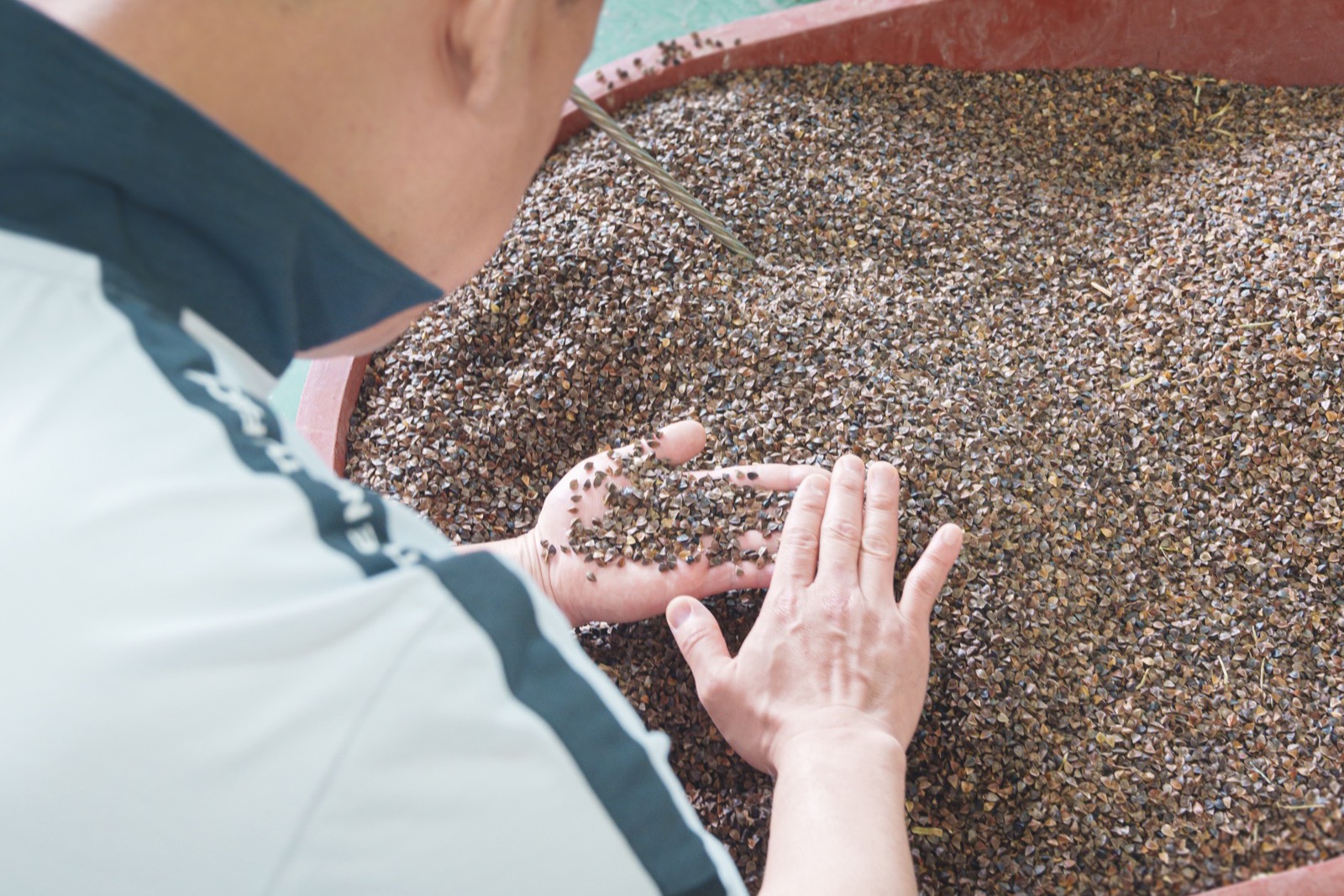
Not all buckwheat tastes and smells the same. Common buckwheat is soft and nutty, while tartary buckwheat is faintly bitter, with a deeper aroma and a clearer character. We build our 100% buckwheat noodles on Jeju common buckwheat with 5–10% tartary buckwheat blended in.