Naengmyeon Was Originally a Winter Food
Naengmyeon is the first dish many people think of in hot weather, yet it was originally eaten in the cold of winter. In Dongguksesigi, the record of seasonal customs written by Hong Seok-mo in the late Joseon period, naengmyeon appears as a food of the eleventh lunar month.
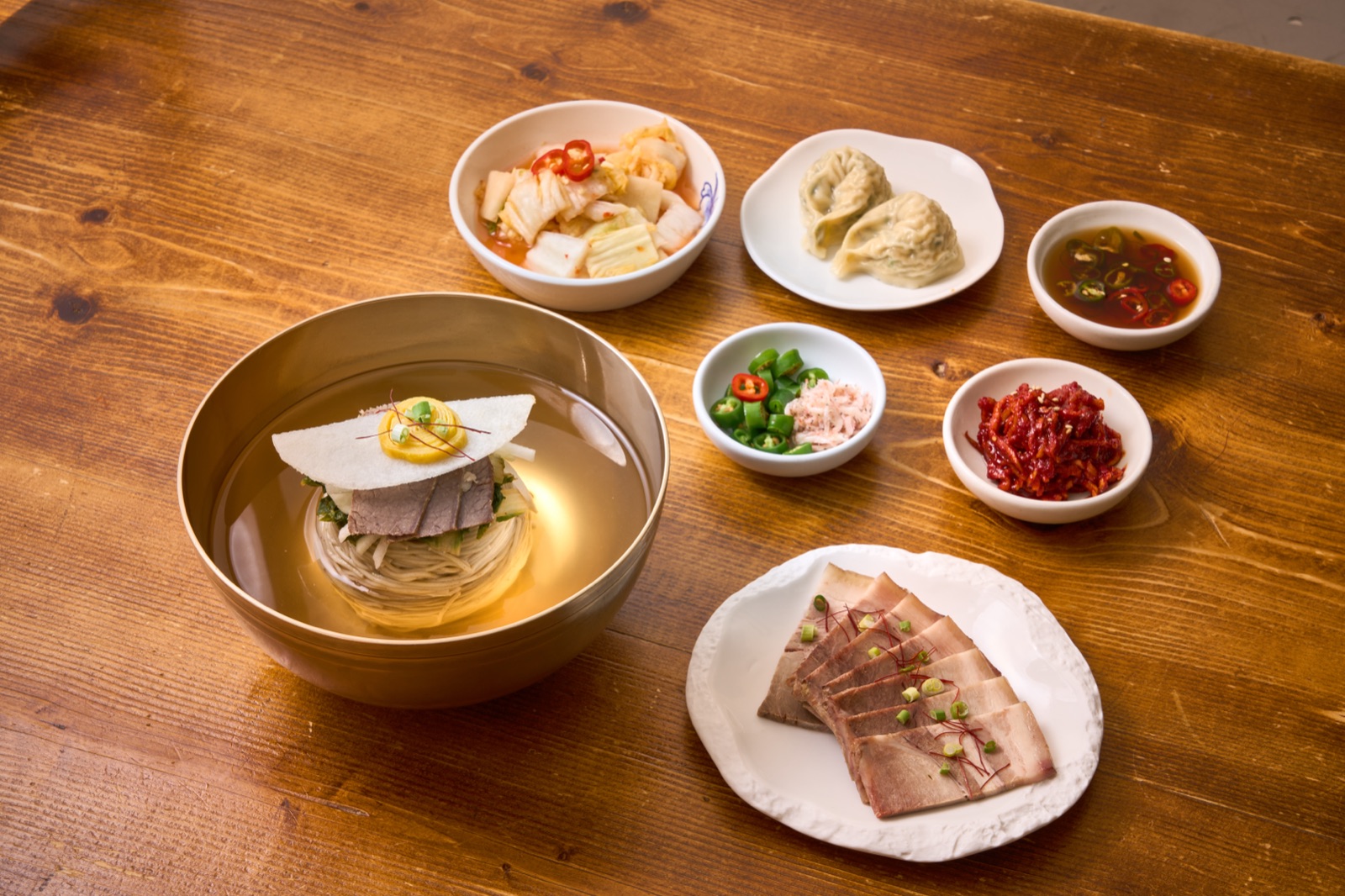
Naengmyeon is the first dish many people think of when the weather turns hot. It was originally eaten, though, in the cold of winter. In Dongguksesigi (A Record of the Seasonal Customs of Korea), written by Hong Seok-mo in the late Joseon period, naengmyeon appears as a sisik of the eleventh lunar month, a food enjoyed in that particular season. Cold buckwheat noodles eaten in a warm room in the depth of winter come down to us as a winter custom of the Gwanseo region, the old northwest around Pyeongan. It is a slightly different picture of a dish we now know as a summer specialty.
The Buckwheat Season Begins in Winter
The harvest calendar of buckwheat is an important part of why naengmyeon was a winter food. Buckwheat harvested in autumn could be tasted from early winter, and winter was a good season for enjoying the aroma of that year's crop. Seogwanmyeonog serves naengmyeon through all four seasons, and the reason we still give weight to where the buckwheat comes from, the state it is in, and the milling and noodle-making, comes down to the same thing, showing the aroma of buckwheat properly in one bowl.
What Pyeongyang Naengmyeon Offers in Winter
Cold naengmyeon is easy to think of only as something that cools you down, but eaten in winter it offers something else. Tasting cold buckwheat noodles and clear Hanwoo (Korean beef) broth indoors, in the warm, draws your attention a little further into the aroma of the buckwheat and the clean, light flavor of the broth. The way you enjoy naengmyeon can shift with the season. If the naengmyeon of summer is a dish enjoyed for its coolness, the naengmyeon of winter is also a dish that marks the season of a grain.
A Cold Naengmyeon After a Warm Eobokjaengban
At Seogwanmyeonog in winter, having Eobokjaengban and naengmyeon together is worth trying. Several cuts of Hanwoo with mushrooms and vegetables simmer in hot broth, shared slowly over a drink, and Pyeongyang Naengmyeon closes the meal at the end. The contrast in temperature, from hot food to cold noodles, makes it another way to enjoy Seonju Humyeon (a drink first, then noodles).
Naengmyeon Is a Food for All Four Seasons
Once you know the history of naengmyeon, the idea that it belongs to summer shifts a little. In spring and summer it is a cool bowl, in autumn a bowl eaten while waiting for the new buckwheat, and in winter one eaten with the season it was originally loved in somewhere in mind. Pyeongyang Naengmyeon at Seogwanmyeonog is a food for all four seasons, with a slightly different reason to enjoy it in each.
Frequently Asked Questions
- Was naengmyeon originally a winter food?
- Yes. Dongguksesigi records naengmyeon as a seasonal food eaten in the eleventh lunar month.
- Why was naengmyeon eaten in winter?
- It has to do with the season itself. Buckwheat was harvested in autumn, and the new crop could be tasted at its best in the months that followed, which made winter the time to enjoy freshly harvested buckwheat as food.
- What goes well with naengmyeon at Seogwanmyeonog in winter?
- Start with Eobokjaengban, simmered hot at the table, and close with Pyeongyang Naengmyeon. With a drink alongside, it also follows the flow of Seonju Humyeon that we talk about here.
References
- Dongguksesigi (A Record of the Seasonal Customs of Korea), Hong Seok-mo, 1849