Mixed Noodles in 1849: Goldongmyeon in the Dongguksesigi
Goldong Naengmyeon is a mixed buckwheat naengmyeon named after an old record. Dongguksesigi, a book of seasonal customs published by Hong Seok-mo in 1849, describes Goldongmyeon, noodles tossed with many ingredients, and we trace our dish to that older noodle culture.
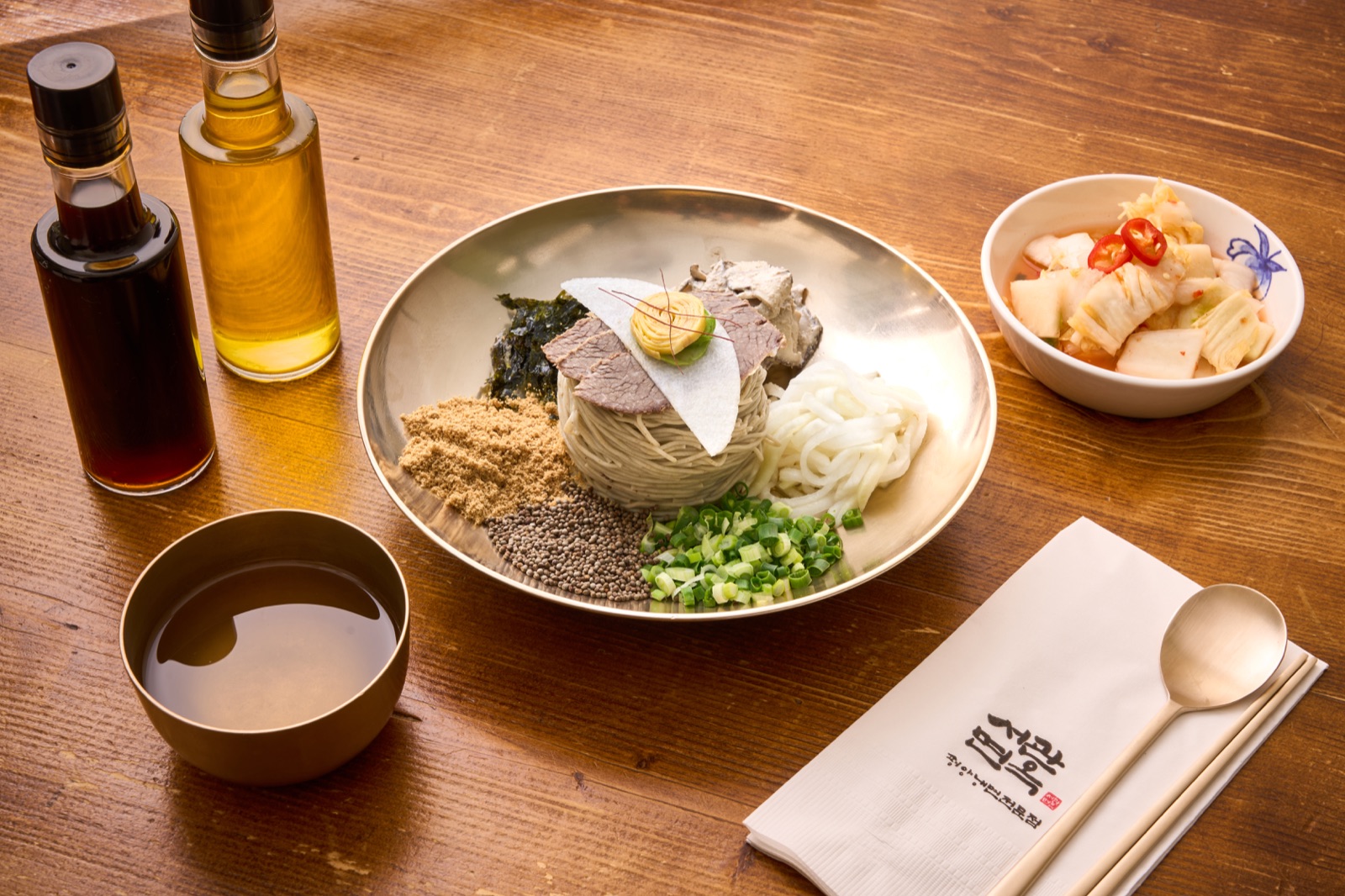
Goldong Naengmyeon at Seogwanmyeonog may look like a new name, but its roots can be found in an old record.
Dongguksesigi (A Record of the Seasonal Customs of Korea), published by Hong Seok-mo in 1849, in the late Joseon period, describes a dish called Goldongmyeon (骨董麵). Noodles tossed together with several ingredients at once. We found the beginning of Goldong Naengmyeon in that older noodle culture.
What Does Goldong Mean?
Goldong (骨董) means several things mixed together in one.
Just as Goldongban (骨董飯), rice mixed with a number of ingredients, is handed down as the old name for today's bibimbap, Goldongmyeon was noodles eaten with several ingredients tossed through them. Mixing noodles, in other words, is not something that appeared only recently. It was already there in our older noodle culture.
A Bowl for Today Rather Than a Copy of the Record
Goldong Naengmyeon is not a recipe from Dongguksesigi restored as it was written. We take the form and the meaning of goldong from the old record, several ingredients tossed together with noodles, and read it again through today's ingredients and the way we work. Onto 100% buckwheat noodles made from Jeju buckwheat we set mushrooms and whole perilla seeds, then season the bowl with cold-pressed perilla oil from Gyeongju and soy sauce for a nutty, clean finish.
Naengmyeon Mixed Without a Spicy Sauce
Bibim naengmyeon usually brings a spicy sauce to mind, and Goldong Naengmyeon is quite different. It is built around the nutty aroma of cold-pressed perilla oil together with mushrooms and whole perilla seeds, so the scent of the buckwheat is not covered over and the ingredients come together in one bowl. That is why we followed the form of the old Goldongmyeon while working it out again as a buckwheat noodle dish of our own.
Old Records at Today's Table
The way we look at old food is not a matter of copying the past exactly as it was. We read the meaning and the method left in the records, add good ingredients and cooking technique from today, and carry the dish forward as something you can enjoy now. The name Goldongmyeon, written down in 1849, has reached today as Goldong Naengmyeon for the same reason.
Frequently Asked Questions
- What does Goldong mean?
- It means several things mixed together in one. Like Goldongban, rice mixed with a number of ingredients, Goldongmyeon is noodles eaten with several ingredients tossed through them.
- What kind of book is the Dongguksesigi?
- A record of seasonal customs published by Hong Seok-mo in 1849, in the late Joseon period, setting down the food and customs of each season. Goldongmyeon appears in that record.
References
- Dongguksesigi, Hong Seok-mo, 1849
- Seogwanmyeonog menu stories (/en/story)